
Deep
Adaptation
Hungary
“We can only prepare if we are willing to speak openly about the possibility of our civilisation’s collapse.”

“As our society becomes more complex and accelerates, and as interdependence between its elements deepens, our vulnerability grows along with the risk that damage to one part may threaten lasting harm to the entire system.”
Timothy Garrett
Collapse
– Dmitry Orlov
Deep Adaptation
– Jem Bendell
Resilience
– Lesley Gillett
Collapse
“Collapse is inevitable, catastrophe is likely, and extinction is possible.”
Jem Bendell, Professor of Sustainability Leadership, University of Cumbria
Important Notice
The possibility of systemic collapse is a highly complex and contested subject. As structured, accessible material on this topic remains scarce, the following collection aims to introduce interested readers to the key concepts and ideas shaping our understanding of collapse.
Engaging deeply with this subject may, beyond a certain point, affect one’s emotional wellbeing. Anxiety and depression are common responses when exploring the possibility of collapse.
It is important to maintain perspective – both on ourselves and on the subject – and to keep it in proportion. If you notice signs of depression in yourself or others that feel difficult to manage, please seek support from a qualified professional.
What does systemic collapse mean?
“In this context, collapse refers to a significant negative shift in which a system moves from an established state of higher complexity towards a much simpler one. This process can unfold in different ways across different domains: orderly or chaotic, deliberate or unintended.
It does not necessarily entail the extinction of the human species, nor does it have to take the form of a single, sudden, global event. In fact, the more prolonged the process becomes, the more collapse turns into decline.
By collapse, I mean a drastic reduction – over a significant area and for an extended period – in the size of the human population and/or the political, economic, and social complexity of human societies.”
Jared Diamond, Collapse: How Societies Choose to Fail or Succeed (2005)
Deep Adaptation
“Preparation for adaptation must begin immediately, at both organisational and individual levels. This remains true even though its essential necessity is still recognised by very few today.”
Jem Bendell
Facing reality honestly
The Deep Adaptation movement traces its origins to a paper written in 2018 by Professor Jem Bendell. The essay explores the personal and collective qualities that can help people prepare for potential social disruption and collapse and learn how to live with the process as it unfolds.
At the same time, it does not assume that our current economic, social, and political systems are sufficiently resilient to adapt to the rapid changes ahead, or to survive in their present form.
Radical change
When we speak of societal breakdown or collapse, we mean a profound and far-reaching transformation of our existing living conditions. Those who see this process as highly likely – effectively unavoidable and already unfolding – use the term Deep Adaptation to describe the search for meaningful responses to what lies ahead.
Collapse and adaptation
Of course, we do not know exactly what will happen, when, or how. What has become clear, however, is that the scale of change affecting the living world and the climate will make it impossible to continue our way of life as we know it and may even lead to systemic collapse.
Deep Adaptation offers one way of making sense of this profoundly complex situation. It can help people re-examine their lives and rediscover what truly matters, as the societies around them begin to unravel under the weight of their own crises.
Resilience
“Those who live in the greatest harmony are those who value one another and their relationships most deeply. Those who live active, fulfilled lives remain continually inspired by what life has to offer.”
Andrew Matthews
Resilience, or the capacity to adapt
Deep Adaptation is a resource that helps individuals and communities understand the disruptive changes unfolding within Earth’s systems, and the existential risks these changes bring.
Dialogue
Designed to deepen understanding of the threats ahead and to support honest, difficult conversations about them.
Assessment
Based on 100 questions rooted in everyday life, helping to evaluate the current resilience of a household.
Action
A progressive action plan that supports the strengthening of both personal and community resilience.

A tagadás és a traumára adott válaszaink
A mai változó világban az emberi elme folyton arra törekszik, hogy fenntartsa az állandóság látszatát. Ezért minden egyes pillanatban igyekszünk...

Amivel nem nézünk szembe
Az egyesült királyságbéli Institute for Public Policy Research, vagyis Közpolitikai Kutató Intézet, röviden IPPR megjelentetett egy tanulmányt az előttünk álló környezeti, gazdasági, társadalmi változásokkal kapcsolatban. A címe szűkszavúan is találóra sikeredett: „Nem állunk készen”.

A tudatosulás lépcsőfokai
Amikor a kibontakozó globális válság megértéséről van szó, úgy tűnik, hogy mindannyian elférünk valahol a tudatosság folytonossága mentén, amelyet nagyjából öt szakaszra oszthatunk.

Az összeomlás négy oka
Vajon a félelem és az előítéletek ellenséges táborokba terelnek-e bennünket, és a végletekig harcolunk majd egymással egy pusztuló bolygó szűkülő erőforrásaiért?

Beszélni az összeomlásról
Egyöntetűen kiállunk amellett, hogy mindent el kell követnünk az összeomlással kapcsolatos szabad párbeszéd fenntartása érdekében, hogy annak hiánya ne lehessen akadálya a szükséges átmenetnek.
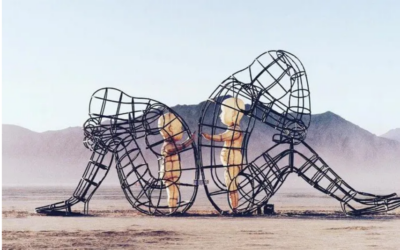
Szeretet a Mélyalkalmazkodásban
Egyre több ember ébred rá a helyzetre, amibe kerültünk: a gyors éghajlati változások társadalmaink - mi több, az emberiség - létét fenyegetik. A...
“If the COVID-19 pandemic represents another step towards the breakdown of our modern societies, then it is very likely also a further sign of the collapse of climatic and ecological systems. Understanding these connections is crucial if we hope to reduce the harm, suffering, and loss that lie ahead.”
Jem Bendell